

Uncategorized
World Hippo Day 2026: The race to save river giants – Earth.com
Jul
Every year on February 15, World Hippo Day shines a spotlight on the hippopotamus, one of Africa’s largest and most iconic animals.
Often viewed as powerful and even dangerous, hippos are semi-aquatic mammals that spend much of their lives in rivers and lakes.
Yet despite weighing up to 3,300 pounds, they face growing threats in the wild. World Hippo Day 2026 is a reminder that even these massive animals still need protection.
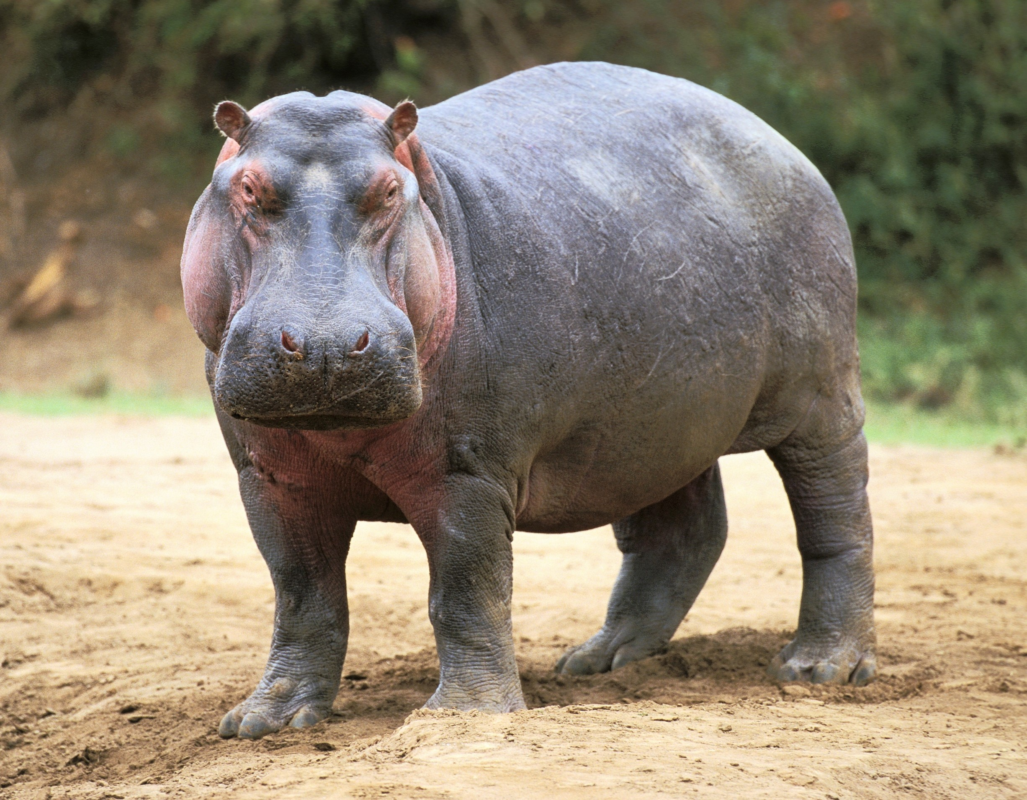
The common hippopotamus (Hippopotamus amphibius) lives throughout sub-Saharan Africa. It spends most of the day resting in rivers, lakes, and wetlands, emerging later to graze on land.
Water protects the hippo’s thick and sensitive skin from the hot sun. Only the eyes, ears, and nose stay above the surface while the rest of the body remains underwater.
When night arrives, the hippo leaves the water and walks to nearby grasslands. Grazing usually lasts for several hours. A single hippo can eat up to 88 pounds of grass in one night.
Such a large body needs both fresh water and open land to survive. Countries such as Kenya, Tanzania, and Zambia still support large hippo populations, but safe habitats continue to shrink.
Hippos have a strong and aggressive nature, especially when protecting their territory. A male hippo guards its water area carefully. If any person or animal enters this space, the hippo may respond with force.
Despite its heavy weight, a hippo can run over short distances at speeds of about 19 miles per hour.
In the water, hippo movement looks smooth and powerful. Large jaws open wide to reveal sharp tusk like teeth that can grow up to about 20 inches. The hippo’s bite force ranks among the strongest in mammals.
Each year, hippo attacks cause hundreds of deaths in Africa. Because of this, many people consider the hippo the most dangerous mammal on the continent.
Hippos depend on freshwater habitats. Rivers, lakes, and slow-moving streams provide safety during the day. Nearby grasslands provide food at night. This balance between water and land remains essential for survival.
However, human activity now threatens this balance. Expanding agriculture uses more land near rivers. Growing communities build homes and farms in areas once filled with wildlife. As a result, hippos lose safe resting places and feeding grounds.
Climate change adds another challenge. Rising temperatures and changing rainfall patterns cause rivers to shrink. During drought conditions, water levels drop quickly. Less water leads to overcrowding and stress among hippos.
The common hippopotamus is classified as Vulnerable on the International Union for Conservation of Nature Red List. This status means the species faces a high risk of extinction in the wild.
Habitat loss remains the biggest threat. When wetlands disappear, hippos cannot survive. Illegal hunting also reduces numbers. Some hunters kill hippos for meat. Others target tusk like teeth, which resemble ivory.
Human-wildlife conflict increases when hippos enter farmland at night in search of grass. Farmers sometimes kill hippos to protect crops. Over time, these pressures continue to reduce the population.
Hippos do more than lounge in rivers and graze on grass. They play a vital role in maintaining river ecosystems.
Scientists consider the hippopotamus an ecosystem engineer because its daily movements and behaviors help shape and influence the surrounding environment.
Waste from hippos acts as a natural fertilizer in rivers. Nutrients from dung support aquatic plants and small organisms. These organisms feed fish, which support local fishing communities.
As hippos move through water, large bodies create channels in riverbeds. These channels improve water circulation and maintain healthy aquatic systems.
Without hippos, river ecosystems would change dramatically. Fish numbers could decrease, and biodiversity could decline. Protecting hippos also protects freshwater systems that millions of people depend on.
World Hippo Day highlights a striking reality about this animal. The same creature famous for its power and danger now faces an urgent need for protection.
Conservation groups across Africa work to protect wetlands and rivers. Anti-poaching patrols help stop illegal hunting. Community-based programs reduce conflict between farmers and wildlife.
Organizations such as the World Wildlife Fund support habitat protection projects. These efforts aim to protect both hippos and freshwater ecosystems. Public awareness plays an important role in long-term conservation success.
The hippopotamus may appear strong and fearless, but survival depends on human choices.
Clean rivers, protected wetlands, and safe grazing lands give this species a chance to thrive. Strong laws and responsible land use can reduce threats.
World Hippo Day 2026 delivers a clear message: strength alone does not ensure survival.
With meaningful conservation efforts and continued action, future generations may still witness hippos resting peacefully in Africa’s rivers.
—–
Like what you read? Subscribe to our newsletter for engaging articles, exclusive content, and the latest updates.
Check us out on EarthSnap, a free app brought to you by Eric Ralls and Earth.com.
—–
